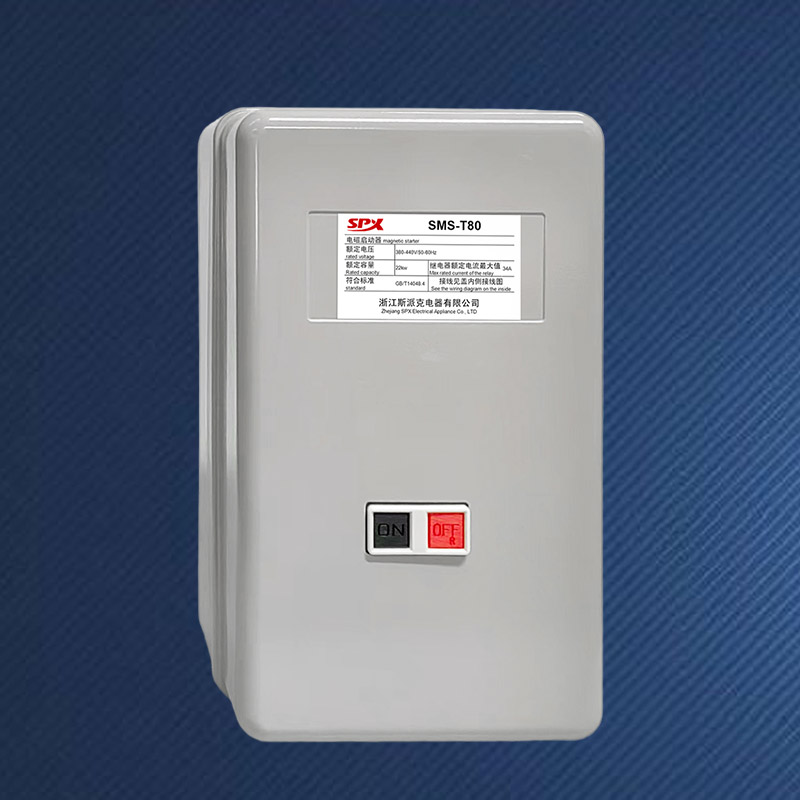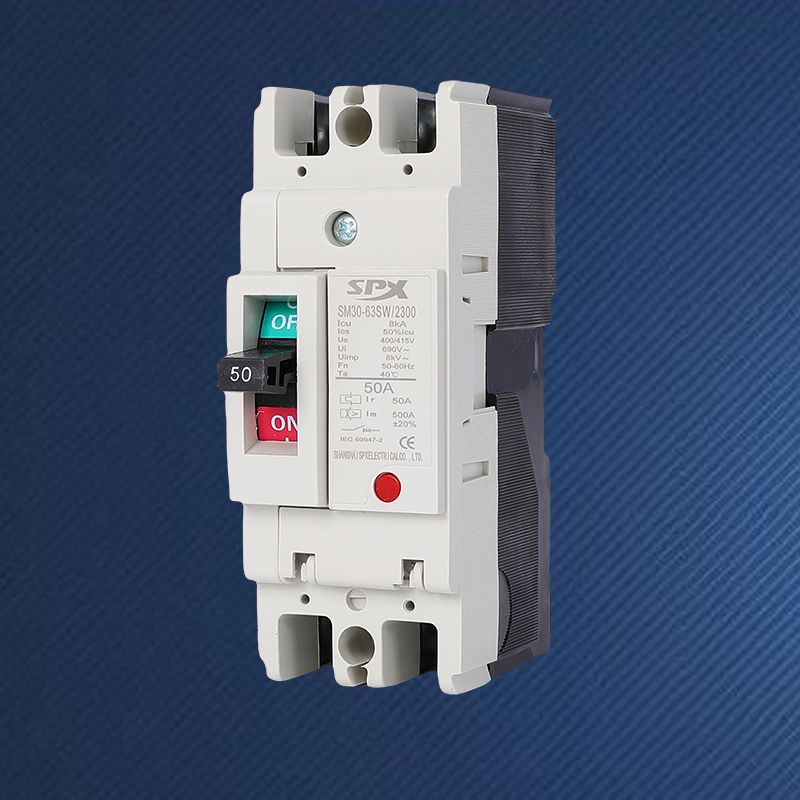

A Magnetic Starter is a critical component in modern motor control systems, widely used to safely start, stop, and protect electric motors in industrial, commercial, and infrastructure applications. This article provides an in-depth explanation of what a magnetic starter is, how it works, its main components, advantages, applications, and how to select the right magnetic starter for your system. By understanding magnetic starters, engineers, electricians, and procurement professionals can significantly improve motor safety, efficiency, and operational reliability.

A Magnetic Starter is an electrically operated switch designed to start and stop an electric motor safely while providing essential protection against overloads, undervoltage, and phase loss. Unlike manual switches, magnetic starters rely on electromagnetic coils to control high-current motor circuits using low-current control signals.
In industrial environments, motors are often subjected to harsh conditions such as voltage fluctuations, frequent starts, and heavy loads. A magnetic starter ensures that motors operate within safe electrical parameters, significantly extending their service life.
Magnetic starters are commonly used with motor control equipment and are an integral part of modern electrical control panels supplied by manufacturers such as SPX.
The working principle of a magnetic starter is based on electromagnetic attraction. When a control voltage is applied, the coil energizes and creates a magnetic field, pulling the contactor contacts together and allowing current to flow to the motor.
This automatic disconnection feature makes magnetic starters far safer than direct manual switching methods.
| Component | Description | Function |
|---|---|---|
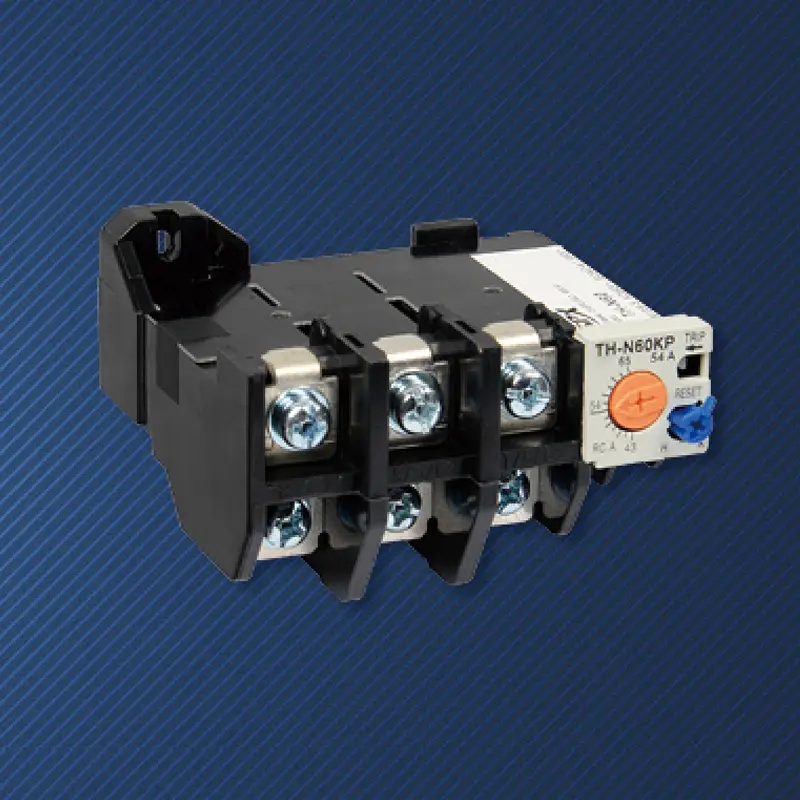
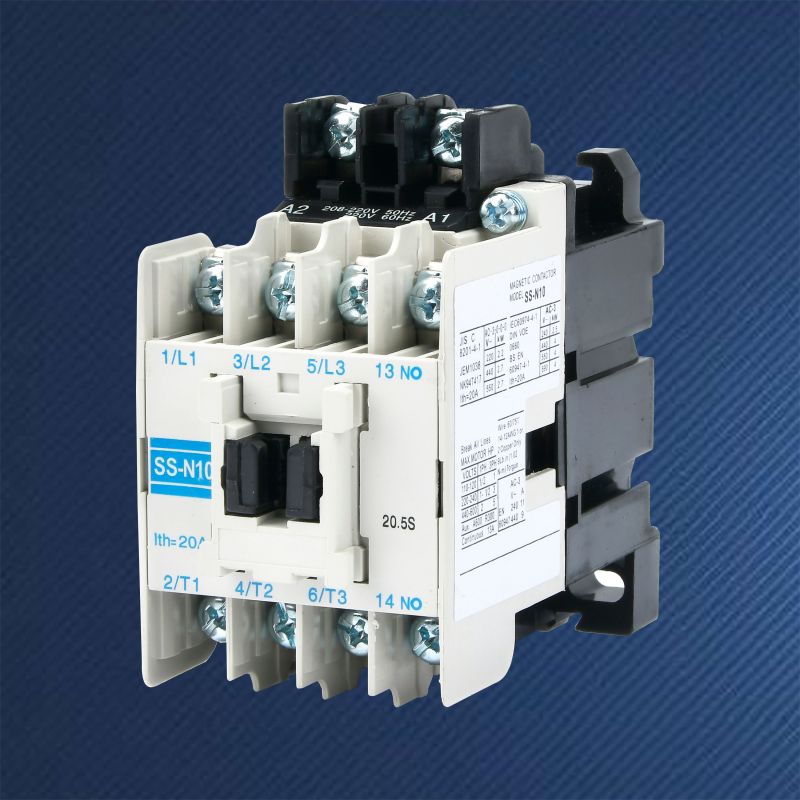
| Contactor | Electromagnetically operated switch | Connects and disconnects motor power |
| Overload Relay | Thermal or electronic protection device | Protects motor from overcurrent |
| Control Coil | Low-voltage electromagnetic coil | Activates the contactor |
| Auxiliary Contacts | Additional signaling contacts | Used for control logic and feedback |
| Enclosure | Protective housing | Prevents dust, moisture, and accidental contact |
These advantages make magnetic starters a preferred choice in industrial motor control systems designed by companies like SPX.
Magnetic starters are widely used across multiple industries, including:
Their ability to handle frequent motor starts and stops makes them indispensable in automation systems.
| Starter Type | Protection Level | Cost | Typical Use |
|---|---|---|---|
| Magnetic Starter | High | Medium | General industrial motors |
| Direct-On-Line (DOL) | Low | Low | Small motors |
| Soft Starter | Medium | High | Reduced inrush current |
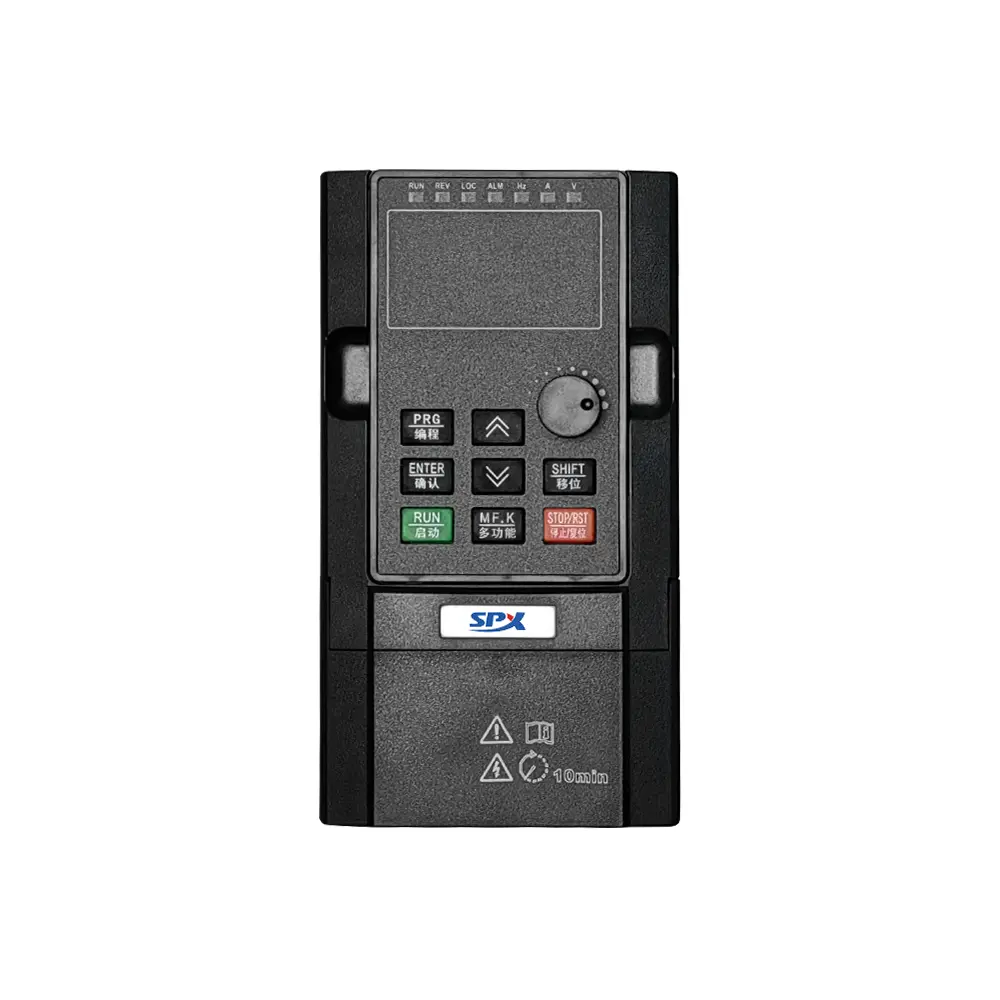
| VFD | Very High | Very High | Speed and torque control |
Consulting with experienced manufacturers such as SPX ensures optimal starter selection and long-term reliability.
Magnetic starters must comply with international standards such as:
Compliance guarantees safe operation, legal acceptance, and compatibility with global motor systems.
While not mandatory for very small motors, magnetic starters are strongly recommended for most industrial motors due to their safety and protection features.
Yes. The overload relay in a magnetic starter disconnects power during abnormal current conditions, significantly reducing burnout risk.
With proper installation and maintenance, a magnetic starter can last 10–20 years depending on operating conditions.
Absolutely. Magnetic starters are commonly integrated into PLC and automated control systems.
Understanding what a magnetic starter is and how it works is essential for anyone involved in motor control system design, operation, or procurement. Magnetic starters provide reliable motor protection, improve safety, and support efficient industrial automation.
If you are looking for high-quality magnetic starters or customized motor control solutions, SPX offers professional expertise and dependable products tailored to your application needs. Contact us today to learn how we can support your motor control projects with reliable and cost-effective solutions.