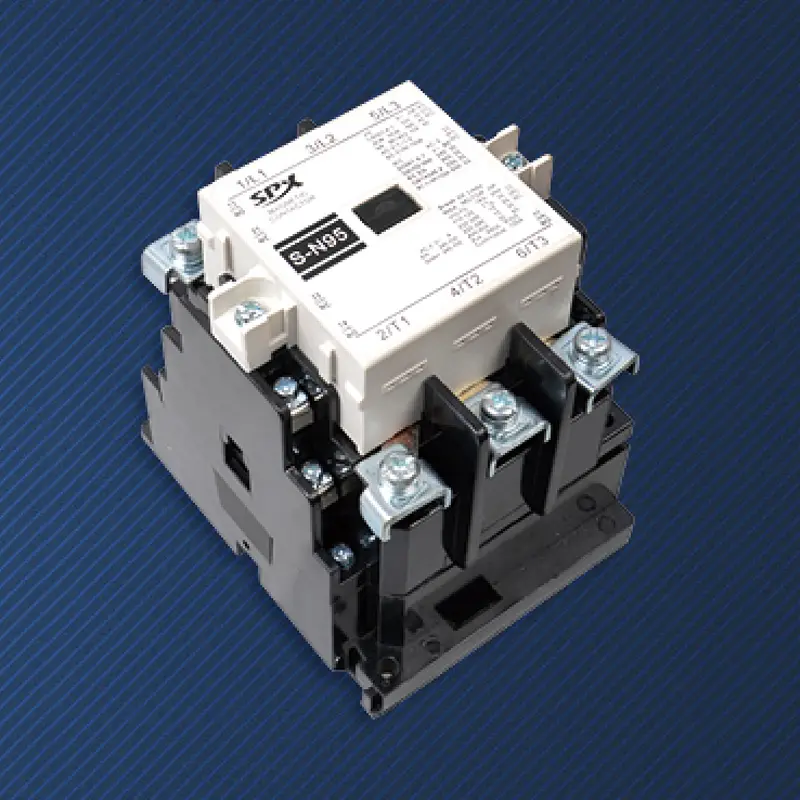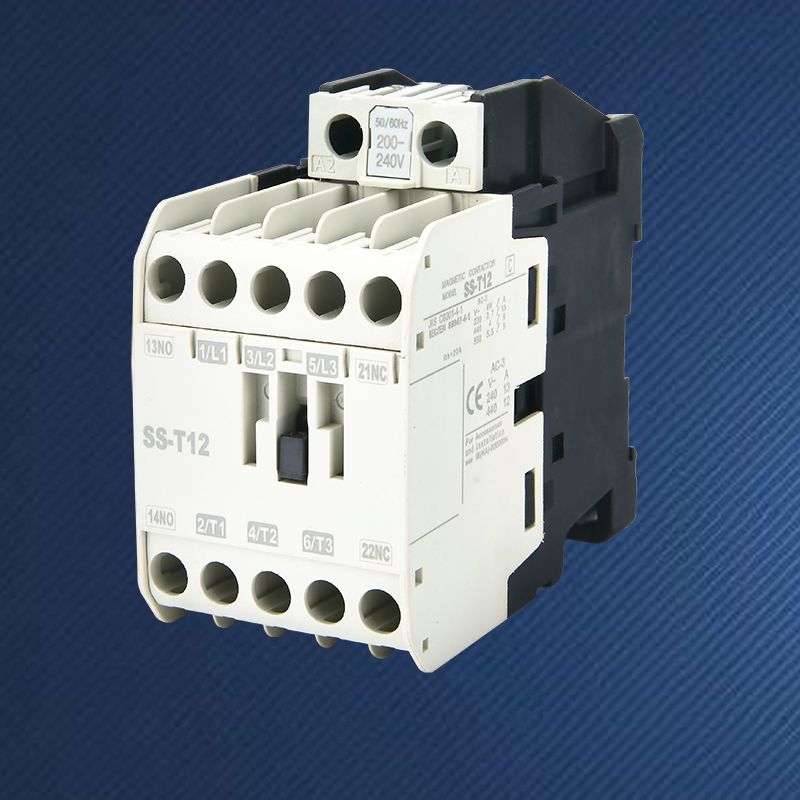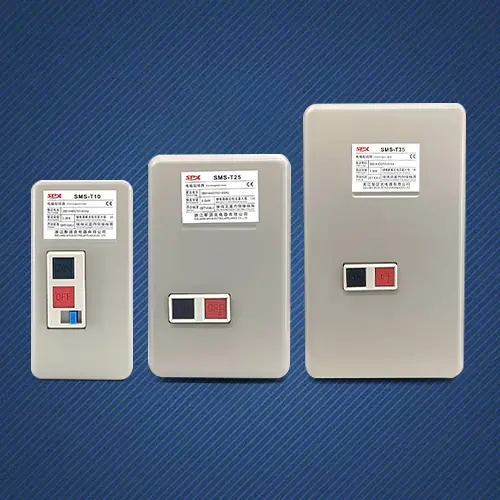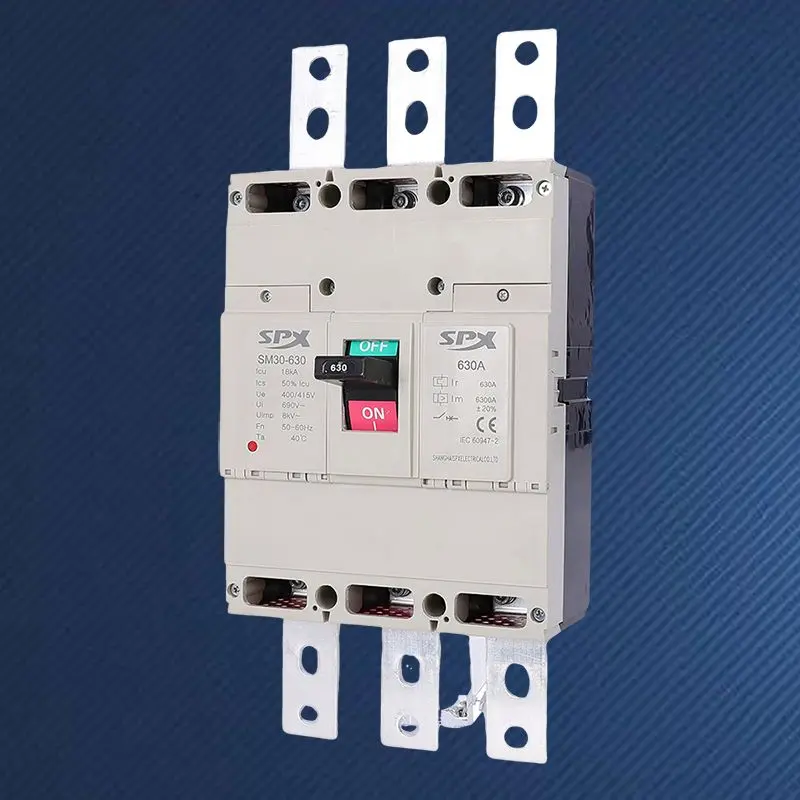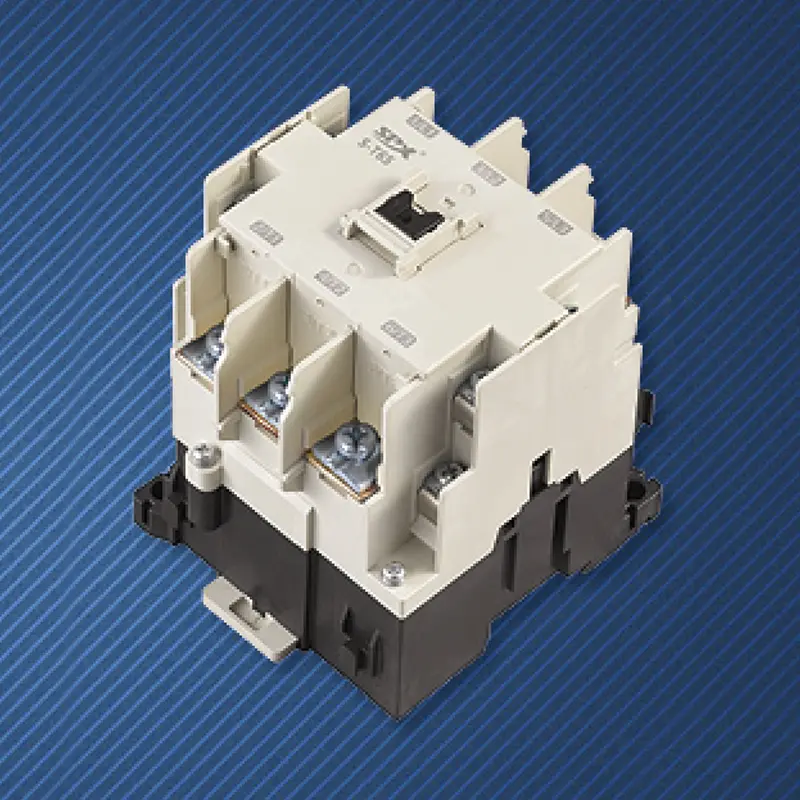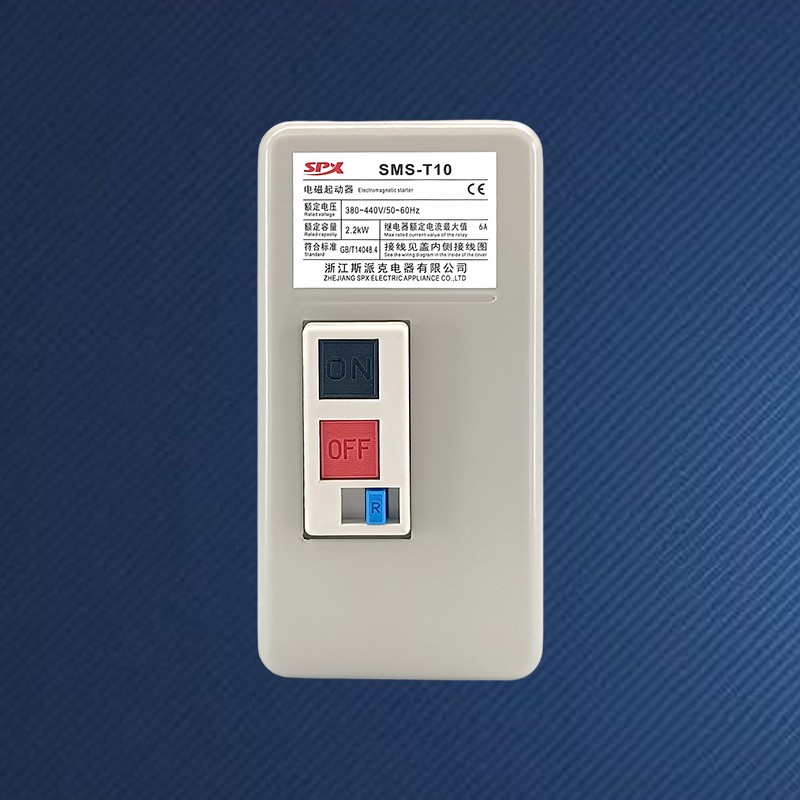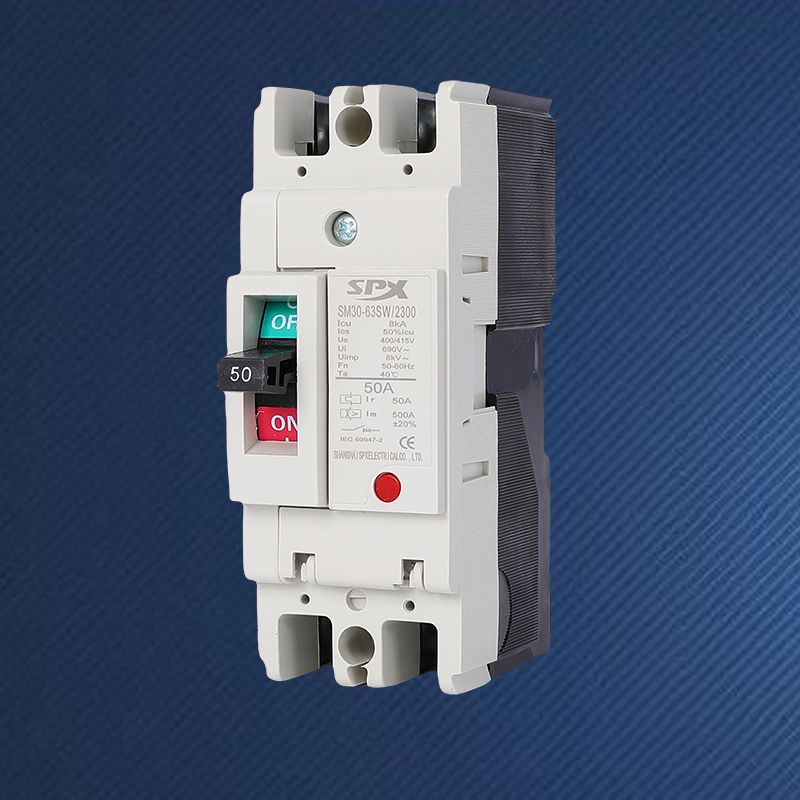

Unlike manual switches, an AC power contactor is actuated automatically by a control signal, making it indispensable in automation. The SPX Electric AC Contactor exemplifies this, serving as a robust link between low-power control circuits (like those from a PLC or thermostat) and high-power motor loads, ensuring seamless and safe operation.
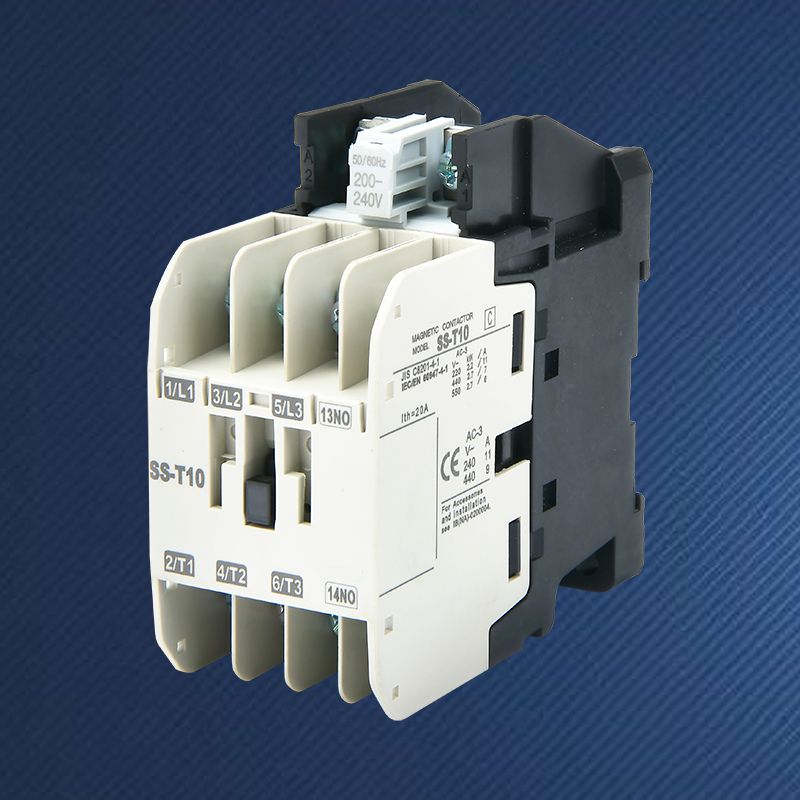
The operation of a standard AC contactor is an elegant application of electromagnetism. According to foundational electrical engineering principles, it involves a simple yet effective process:
This design allows for remote control of motors and provides essential electrical isolation when open, a critical safety feature.
Modern AC contactors, especially those from SPX Electric, offer a suite of functionalities that protect both equipment and personnel.
In a market filled with generic options, SPX Electric contactors stand out through intentional engineering and a commitment to superior performance.
1. Engineered for Efficiency and Silence: SPX has redefined the electromagnetic system. Their optimized coil design significantly reduces power consumption during the holding state, leading to direct energy savings. Furthermore, the silent operation technology addresses the common issue of coil hum, reducing ambient noise in control panels and facilities, which is crucial for commercial buildings and quiet industrial settings.
2. Uncompromising Safety by Design: Safety is not an afterthought. SPX contactors are built to enhance electrical safety and ensure compliance with stringent national and international standards. Features are integrated to reduce the risk of accidental electric shock, providing peace of mind for installers and operators.
3. Robustness for Demanding Applications: Designed for the real world of frequent operation and remote control, SPX contactors boast high mechanical and electrical durability. The inclusion of a low-voltage release protection function is a critical safeguard, preventing automatic restart after a power dip and protecting both equipment and personnel.
4. Customization and Support: Recognizing that one size doesn't fit all, the SPX Electric factory provides customized AC contactor solutions. Whether you need a specific current rating, special contact configurations, or unique mounting options, SPX can tailor products to your exact project specifications, making them the first choice for innovative industrial and civil applications.
A: A circuit breaker is a protection device designed to automatically interrupt power in the event of a short circuit or significant overload (its primary function is protection). An AC contactor is a control device designed for frequent, routine switching (ON/OFF) of a circuit (its primary function is control). Often, they work together: the breaker provides fault protection, and the contactor provides operational control.
A: No, it is not recommended. AC contactors are specifically designed to extinguish the alternating current arc that naturally crosses zero 100/120 times per second. DC arcs are continuous and much harder to extinguish. Using an AC contactor on a DC circuit can lead to severe contact arcing, rapid contact welding, and failure. Always use a contactor rated for the specific type of current.
A: Maintenance intervals depend on operational frequency and environment. For heavy-use applications, inspect contacts for erosion/pitting and check mechanical action every 6-12 months. Signs you need to replace a contactor include: loud buzzing (coil failure), chattering, burnt contacts, physical damage, or failure to engage/disengage reliably. High-quality contactors like those from SPX are built for longevity and reduced maintenance.
A: Low-voltage release (LVR) is a vital safety feature. If the line voltage drops below a safe threshold (typically 50-70% of rated voltage), the contactor coil can no longer hold the contacts closed, causing them to open. This disconnects the motor. When power is restored, the motor will NOT restart automatically, preventing unexpected and potentially dangerous operation. It requires a deliberate restart signal.
A: SPX Electric contactors offer a superior blend of energy efficiency (optimized coil design), quiet operation (silent electromagnetic system), enhanced safety features to reduce electric shock risk, and the flexibility of customized solutions from 10A to 100A. This focus on performance, safety, and adaptability makes them a reliable and advanced choice for both industrial and commercial applications.