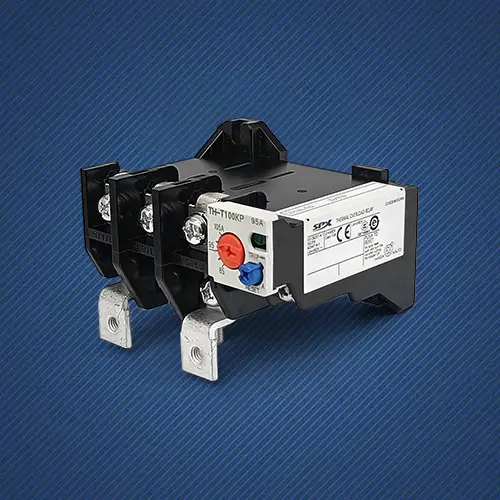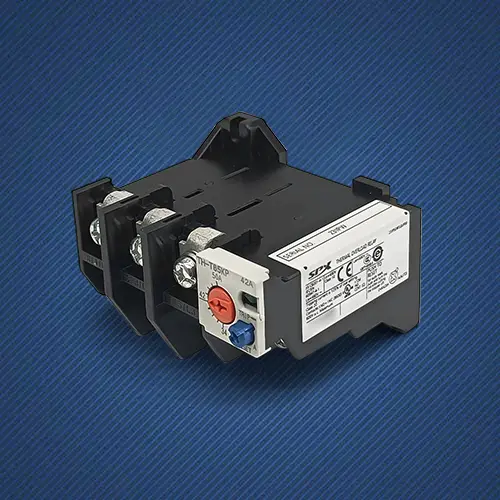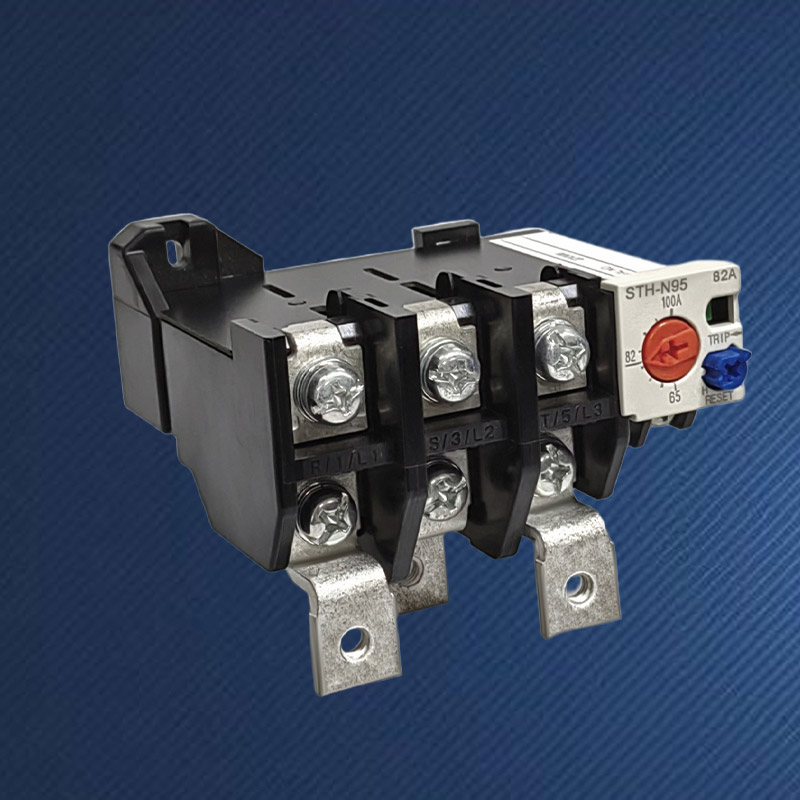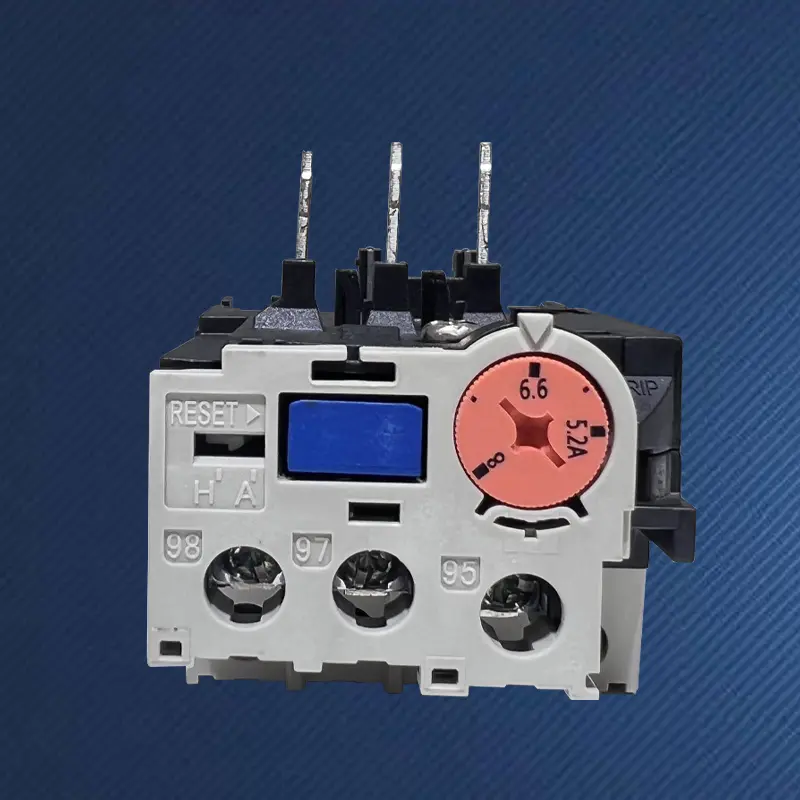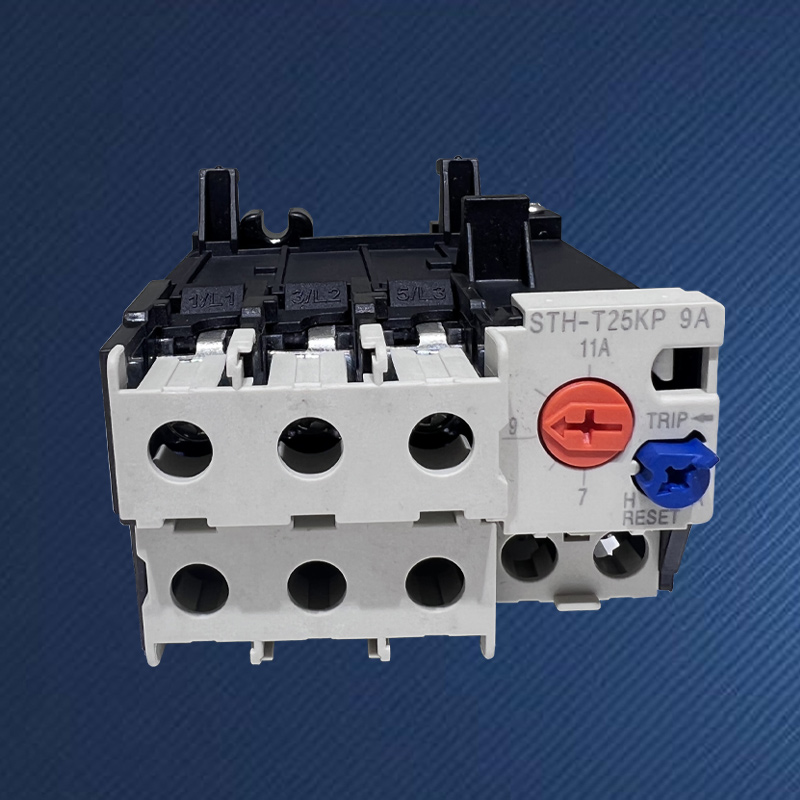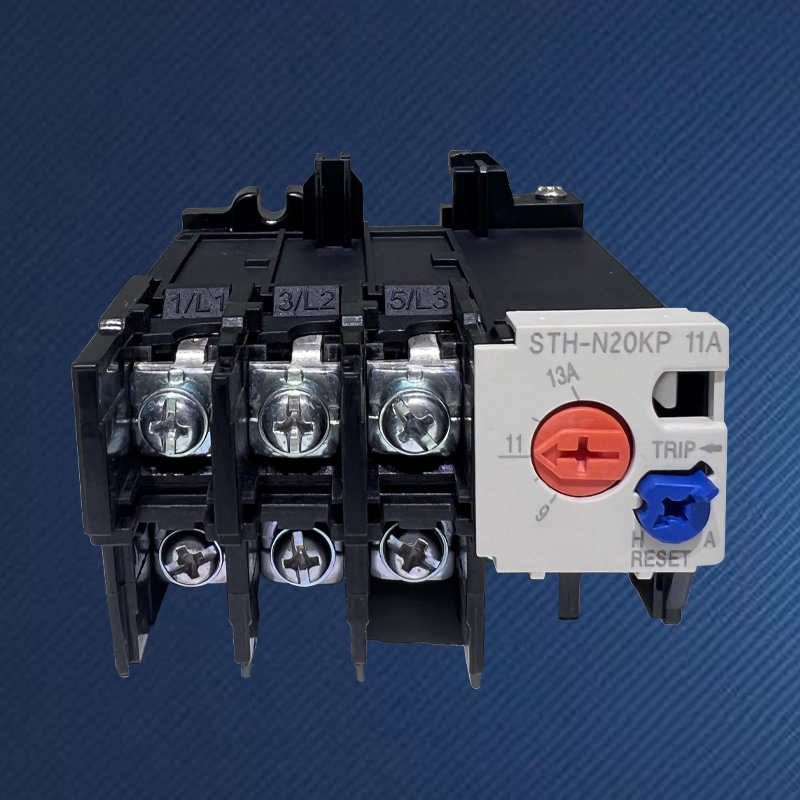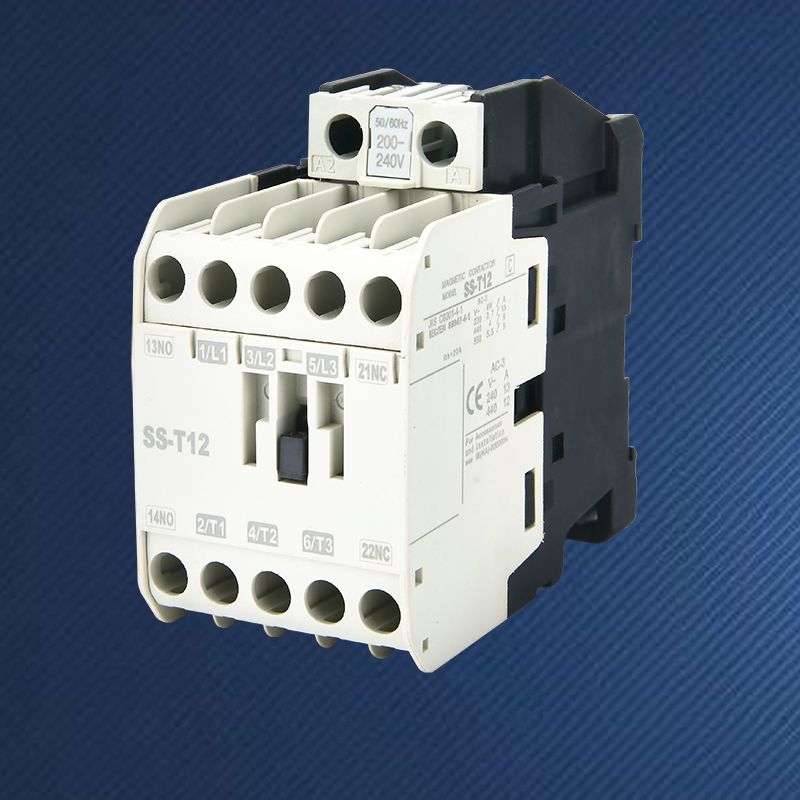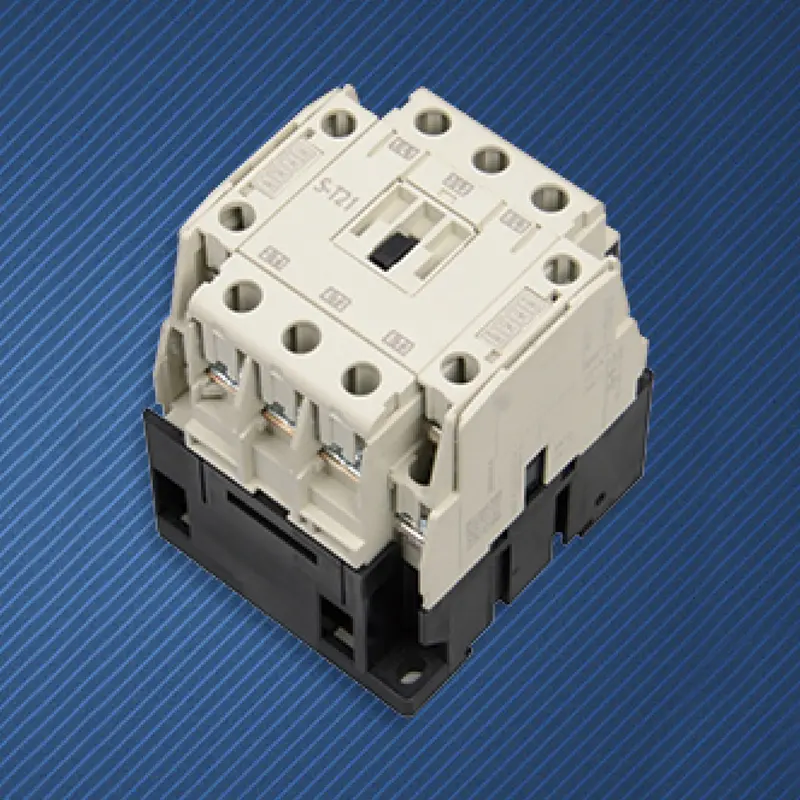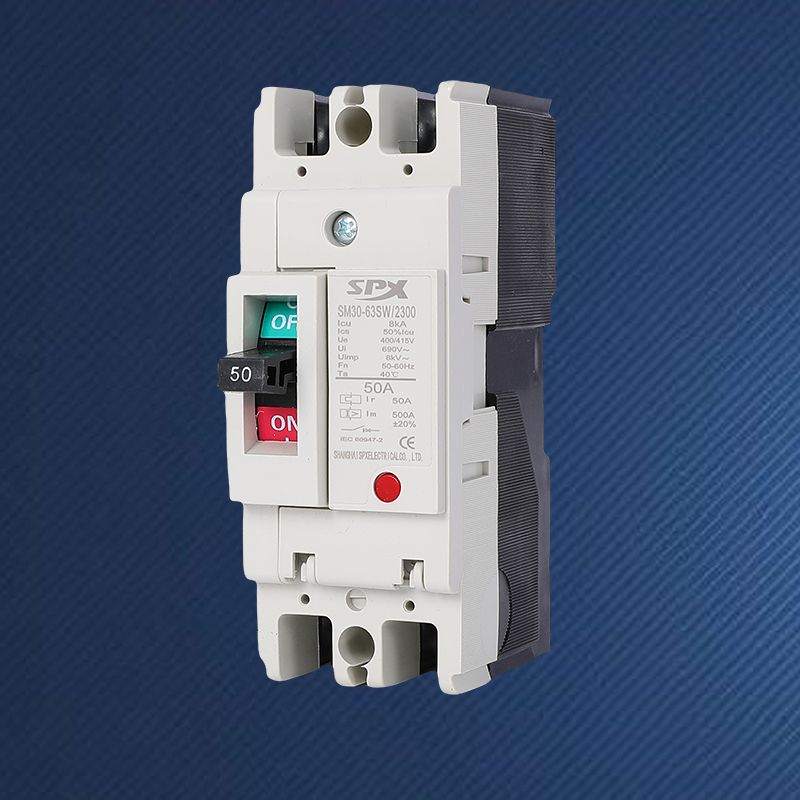

As the professional manufacturer, SPX would like to provide you high quality thermal relay, which is an electrical component used for motor overload protection. It can automatically cut off the power supply when a motor is overloaded, thereby preventing the motor from being damaged due to prolonged overload.
The working principle of a thermal relay is that the current flowing into the thermal element generates heat, causing the bimetallic strip to deform. When the deformation reaches a certain distance, it pushes the connecting rod to act, disconnecting the control circuit and thereby achieving overload protection for the motor.
Correct installation and commissioning of thermal relays are the keys to ensuring their optimal protection effect. Firstly, the installation and use of thermal relays require the selection of appropriate models based on factors such as the working environment of the motor, starting current, load nature, duty cycle, and allowable overload capacity, and wiring must be carried out strictly in accordance with the manual. When choosing a thermal relay, the ampere-second characteristic of the thermal relay should be as close as possible to the overload characteristic of the motor, or be below the overload characteristic of the motor. At the same time, the thermal relay should not be affected at the moment of short-term overload and start-up of the motor. When installing, attention should also be paid to the heat dissipation issue. Ensure that the surrounding air circulates well to prevent the thermal relay from malfunctioning due to overheating.
During the debugging process, the protection parameters need to be adjusted according to the actual operating conditions of the motor. Generally, thermal relays offer a certain range of adjustment, allowing users to set appropriate overload protection points based on motor characteristics and load conditions. In addition, regularly checking the working status of thermal relays is also indispensable. This helps to promptly identify and solve problems, ensuring the safe and stable operation of the motor.