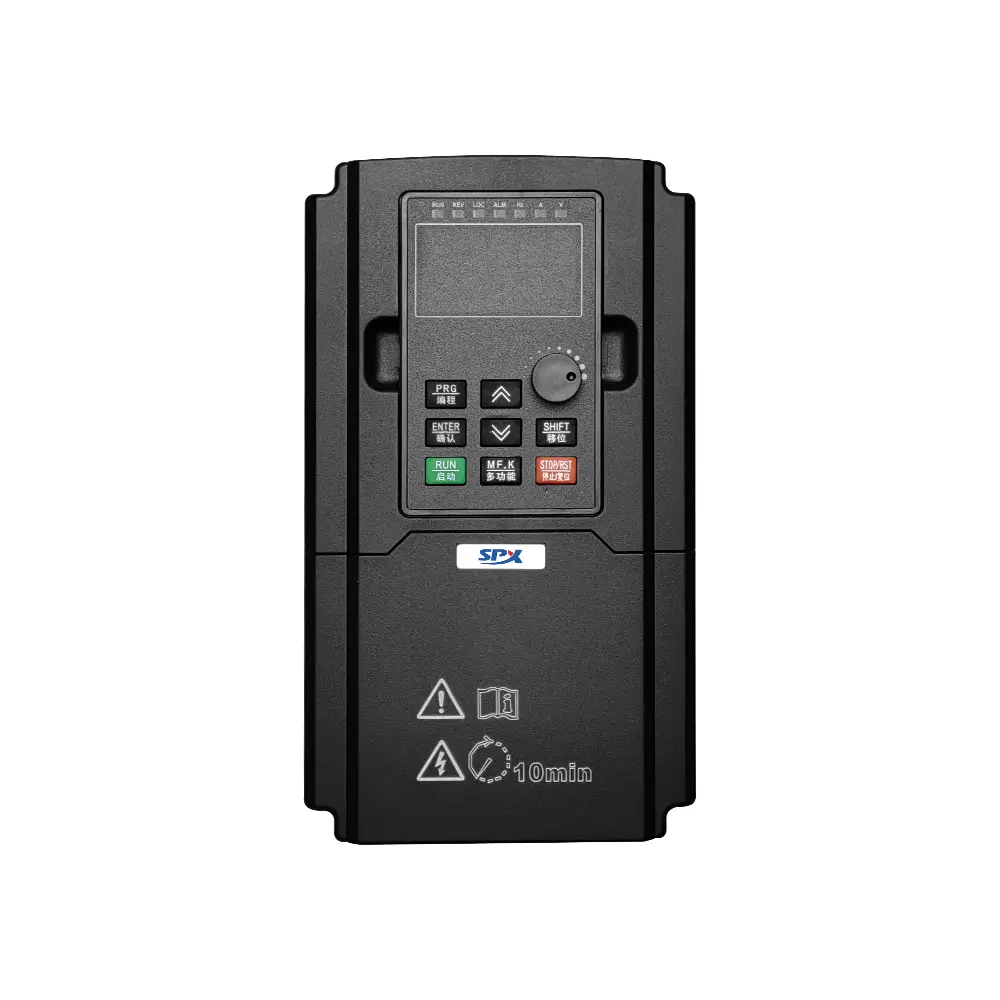

Article Summary: This article explores the significant role of AC frequency converters in improving industrial efficiency. We will discuss their features, applications, energy-saving benefits, and how they are integral to modern industrial processes. The post will help you understand how SPX's AC frequency converters can enhance your business's operational efficiency, reduce energy costs, and contribute to a more sustainable industrial environment.
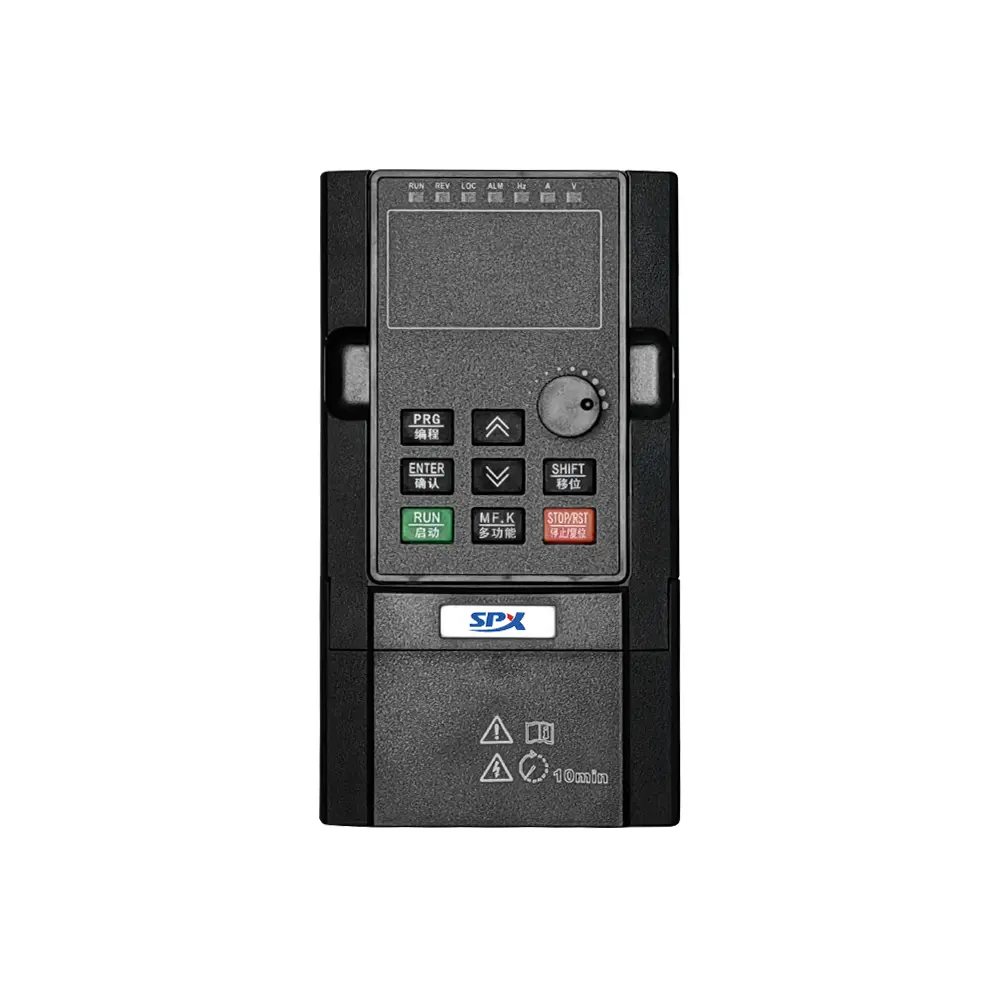
Table of Contents
What is an AC Frequency Converter?
An AC frequency converter is an electronic device that adjusts the frequency of an alternating current (AC) supply to match the required input for electrical equipment. It converts the AC power supply to a variable frequency, which allows for better control over motors and other machinery. This adjustment is crucial in optimizing the performance of industrial machines that rely on precise speed control.
How Does an AC Frequency Converter Work?
AC frequency converters operate by altering the voltage and frequency of the power supplied to motors and machinery. The main components of these devices include:
- Rectifier: Converts incoming AC power to DC.
- Inverter: Converts the DC back to AC at the desired frequency.
- Control Circuit: Monitors and adjusts the frequency according to the machine's needs.
This process enables smooth and efficient control of motor speed, reducing wear and tear and improving the overall efficiency of industrial equipment.
Applications of AC Frequency Converters
AC frequency converters are used in a wide range of industrial applications, including:
| Industry | Application |
|---|---|
| Manufacturing | Speed control in conveyors, pumps, and compressors. |
| HVAC | Control of fans and pumps for energy-efficient climate control. |
| Mining | Control of heavy machinery such as crushers and mills. |
| Water Treatment | Optimizing the operation of pumps in water filtration systems. |
Energy Savings and Efficiency Gains
One of the primary advantages of using AC frequency converters is their ability to significantly reduce energy consumption. By adjusting motor speed to match the required load, these converters prevent unnecessary energy waste. For instance, in applications like HVAC or water treatment, the ability to fine-tune motor speeds results in:
- Reduced energy consumption: No need to run motors at full speed when lower speeds suffice.
- Longer equipment lifespan: Less strain on machinery leads to fewer breakdowns and longer operational life.
- Improved system efficiency: Motors operate at optimal points, maximizing energy output per unit of input.
Benefits of Using AC Frequency Converters
Implementing AC frequency converters in your industrial operations offers several key benefits:
- Precise control: Fine-tuned speed control enhances productivity and consistency.
- Cost savings: Reduced energy bills and fewer maintenance costs translate to significant financial savings.
- Environmental impact: Lower energy usage contributes to a more sustainable operation, reducing carbon footprints.
- Versatility: AC frequency converters can be used across various industries and applications, making them highly adaptable.
Frequently Asked Questions
- What is the difference between an AC frequency converter and a VFD (Variable Frequency Drive)?
- An AC frequency converter is a type of VFD, but they are more general terms for devices that adjust the frequency of AC power. VFDs specifically control the speed of motors in industrial equipment, while frequency converters may also be used for other applications, like controlling the power supply in various devices.
- Can I use an AC frequency converter with any motor?
- In general, AC frequency converters are compatible with most three-phase induction motors. However, it is important to verify that the motor’s specifications align with the converter's capabilities for optimal performance.
- How do I choose the right AC frequency converter for my application?
- Choosing the right AC frequency converter depends on factors such as motor size, load type, desired speed range, and operating environment. It's recommended to consult with an expert or supplier, such as SPX, to ensure you select the most suitable converter for your needs.
Conclusion
AC frequency converters play a crucial role in enhancing industrial efficiency. By providing precise control over motor speeds, reducing energy consumption, and improving system longevity, they are essential tools for businesses seeking to optimize their operations. SPX's range of high-quality AC frequency converters can help you achieve these goals, contributing to a more sustainable and cost-effective industrial environment.
If you are interested in learning more about how AC frequency converters can benefit your business, contact us today. Our team at SPX is ready to assist you in choosing the right solution for your needs.