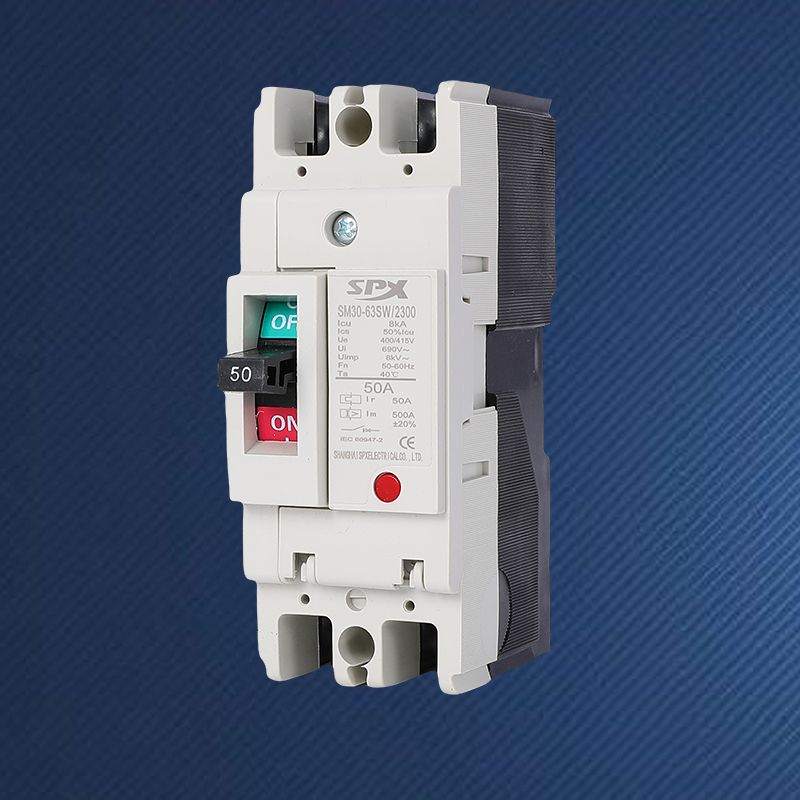

Molded Case Circuit Breakers (MCCBs) play a critical role in safeguarding electrical systems against overloads, short circuits, and equipment damage. In this in-depth guide, we explore how molded case circuit breakers work, their key components, performance characteristics, and why they are widely used across industrial, commercial, and infrastructure applications. This article also explains how to choose the right MCCB, compares MCCBs with other circuit protection devices, and answers common questions to help engineers, contractors, and decision-makers make informed choices in line with modern electrical safety standards.
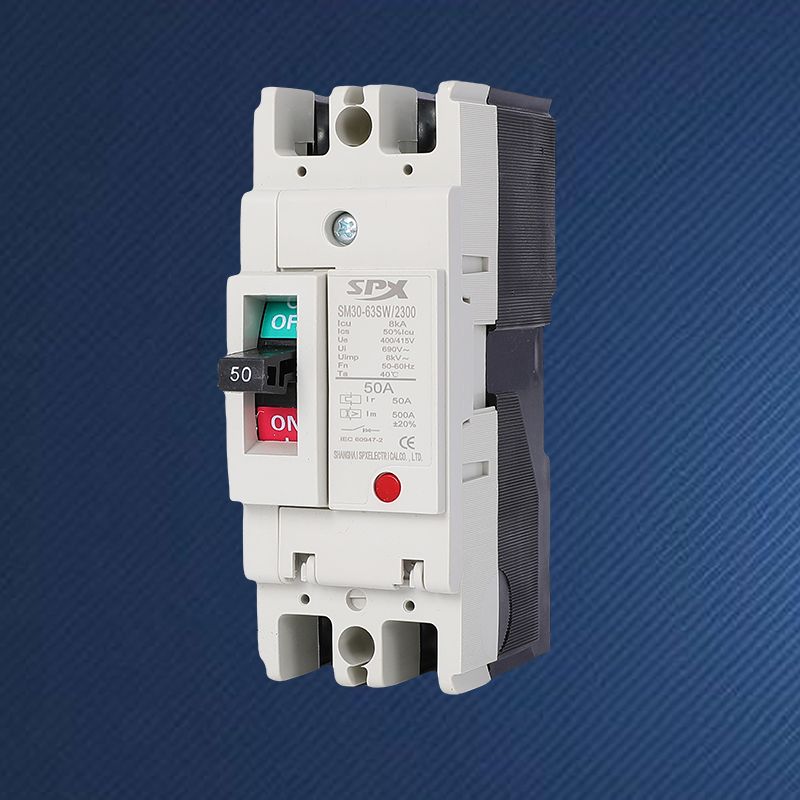
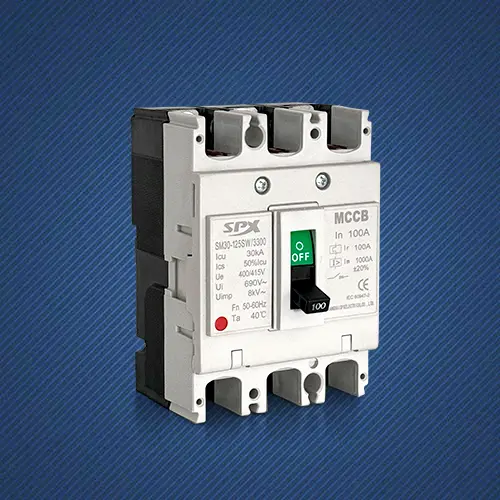
Molded Case Circuit Breakers are low-voltage electrical protection devices designed to automatically interrupt current flow when abnormal conditions occur. Encased in a durable, insulated molded housing, MCCBs provide reliable protection for circuits typically rated from 100A up to 2500A.
Unlike miniature circuit breakers, molded case circuit breakers are engineered for higher current ratings and more demanding environments. According to industry references such as SPX molded case circuit breaker specifications, MCCBs are widely adopted due to their adjustable trip settings, robust construction, and high interrupting capacity.
Molded case circuit breakers continuously monitor current flowing through an electrical circuit. Under normal conditions, the breaker allows current to pass uninterrupted. When abnormal current levels are detected, the internal trip mechanism activates and opens the circuit.
MCCBs are designed to respond to two primary fault conditions:
Understanding the internal structure of molded case circuit breakers helps explain their effectiveness and reliability.
| Component | Function |
|---|---|
| Molded Insulating Case | Provides mechanical protection and electrical insulation |
| Contacts | Carry and interrupt current flow |
| Thermal Trip Unit | Detects overload conditions |
| Magnetic Trip Unit | Responds instantly to short circuits |
| Arc Extinguishing Chamber | Safely dissipates electrical arcs |
Overloads occur when electrical equipment draws more current than a circuit is designed to handle over time. Molded case circuit breakers protect against this scenario using a thermal trip mechanism.
The thermal element inside the MCCB heats up as current increases. If excessive current persists, the heat causes a bimetal strip to bend, triggering the breaker to trip. This delayed response ensures that temporary surges do not cause unnecessary interruptions.
Short circuits are among the most dangerous electrical faults, capable of causing fires, equipment damage, and serious safety hazards. Molded case circuit breakers use a magnetic trip unit to address this risk.
When a sudden surge of current occurs, the magnetic field generated inside the MCCB instantly activates the trip mechanism. The breaker opens within milliseconds, limiting fault energy and protecting downstream equipment.
Manufacturers like SPX design molded case circuit breakers to meet demanding industrial requirements while maintaining long-term operational stability.
Molded case circuit breakers are used across a wide range of sectors:
Selecting the correct MCCB involves evaluating several technical factors:
Consulting reliable product documentation and experienced suppliers ensures optimal protection and system reliability.
| Device Type | Current Range | Typical Application |
|---|---|---|
| MCB | Up to 125A | Residential and light commercial |
| MCCB | 100A – 2500A | Industrial and commercial |
| ACB | Above 2500A | Main distribution systems |
The primary purpose of molded case circuit breakers is to protect electrical circuits from overloads and short circuits while ensuring operational safety.
Yes, many molded case circuit breakers feature adjustable trip settings, allowing precise protection tailored to system requirements.
With proper installation and maintenance, MCCBs can operate reliably for many years, even in demanding environments.
Absolutely. Molded case circuit breakers are widely used in solar, wind, and energy storage systems to protect inverters and distribution lines.
Molded case circuit breakers are an indispensable component of modern electrical systems, offering dependable protection against overloads and short circuits. Their robust design, adaptability, and proven performance make them a preferred choice across industries.
If you are evaluating high-quality molded case circuit breakers or need expert guidance tailored to your application, SPX is ready to support your project. For detailed specifications, professional recommendations, or customized solutions, feel free to contact us and take the next step toward safer and more reliable power distribution.