
Molded Case Circuit Breakers (MCCBs) play a crucial role in modern electrical power systems by providing reliable protection against overloads, short circuits, and ground faults. As electrical infrastructure becomes more complex and power demand continues to rise, MCCBs are widely used in industrial, commercial, and large residential applications.
This in-depth guide explains what molded case circuit breakers are, how they work, their types, ratings, applications, and how to select the right MCCB for your system. Drawing on industry best practices and product insights from SPX Molded Case Circuit Breakers, this article is designed to support engineers, contractors, and procurement professionals seeking safe, efficient, and compliant circuit protection solutions.

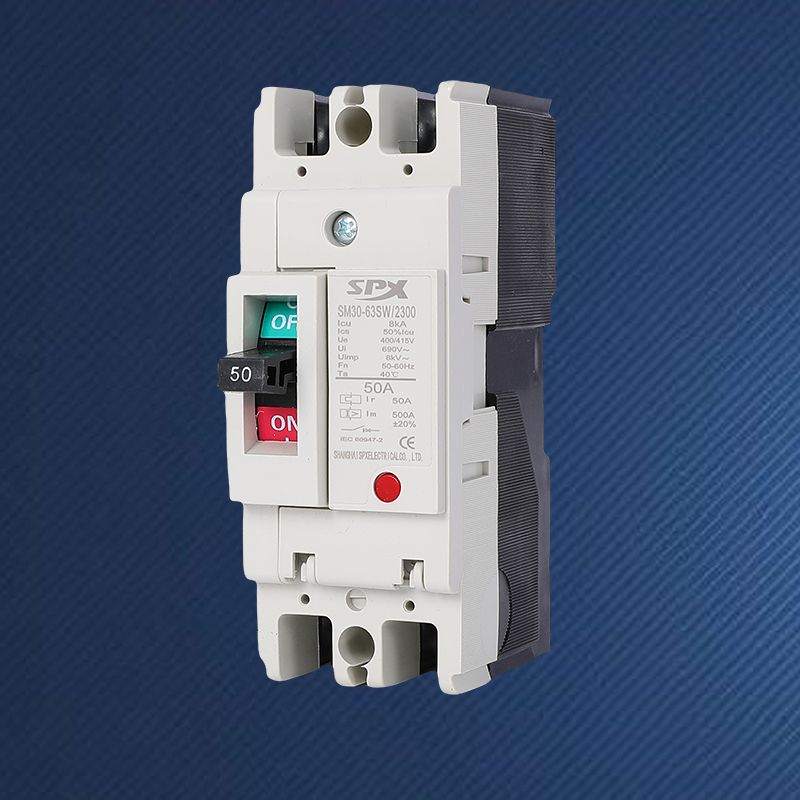
A Molded Case Circuit Breaker (MCCB) is an electrical protection device designed to automatically interrupt current flow in the event of overload, short circuit, or electrical fault. Unlike smaller breakers, MCCBs are enclosed in a robust molded insulating housing, allowing them to handle higher current ratings and withstand harsh operating conditions.
MCCBs are commonly rated from 15A up to 2500A and are used in low-voltage power distribution systems where reliability and safety are critical.
MCCBs operate through a combination of thermal and magnetic protection mechanisms:
When abnormal current conditions occur, the breaker trips automatically, isolating the faulty circuit and preventing equipment damage or fire hazards.
High-quality manufacturers like SPX integrate precision-engineered components to ensure consistent performance, long service life, and compliance with international standards.
| Type | Description | Typical Application |
|---|---|---|
| Thermal-Magnetic MCCB | Uses thermal and magnetic trip mechanisms | General industrial and commercial use |
| Electronic Trip MCCB | Microprocessor-based protection | Critical power systems |
| Adjustable MCCB | Customizable trip settings | Complex electrical networks |
Key specifications to consider include:
Selecting the correct ratings ensures system stability and regulatory compliance.
MCCBs are widely used across various sectors:
| Feature | MCCB | MCB |
|---|---|---|
| Current Rating | Up to 2500A | Up to 125A |
| Adjustability | Adjustable trip settings | Fixed settings |
| Applications | Industrial / Commercial | Residential |
When selecting an MCCB, consider the following factors:
Trusted manufacturers such as SPX provide comprehensive technical documentation and customization options to meet diverse project needs.
The main purpose of an MCCB is to protect electrical circuits from overloads, short circuits, and faults.
While possible, MCCBs are typically used in commercial and industrial systems due to their higher ratings.
Regular inspections are recommended annually or according to local electrical codes.
Yes, MCCBs can be reset after identifying and resolving the fault.
Molded Case Circuit Breakers are an essential component of modern power systems, offering robust protection, flexibility, and long-term reliability. By understanding their working principles, types, and selection criteria, engineers and system designers can ensure safe and efficient electrical installations.
If you are looking for dependable MCCB solutions backed by professional expertise, explore SPX’s product range and contact us today to discuss your project requirements and receive tailored technical support.